
Lotus Water
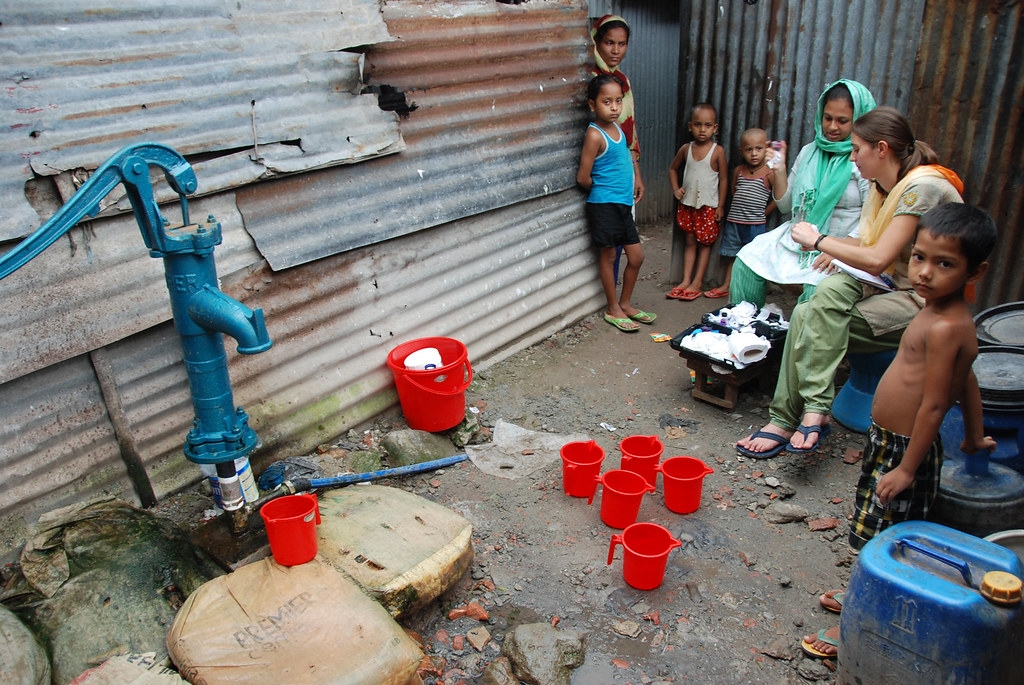
The Lotus Water project provides solutions for the more than 500 million people living in cities of the developing world who have piped water service but receive water that does not meet international standards for safety. Lotus Water envisions a new paradigm for water disinfection in low-income urban areas, one in which water treatment occurs automatically, at the point of collection. The team’s business pilot involves offering landlords different packages of chlorine refill and hand pump maintenance services. This experiment will help identify those services that landlords value most, and the prices they are willing to pay for them. This approach to water treatment employs technologies that deliver high quality water on a reliable basis, with virtually no behavior change required on the part of users. By employing business strategies that target owners of shared water points in low-income urban areas, Lotus Water aims to provide reliable and affordable disinfection services for those communities most at risk of waterborne illness.
WHD Project Leads


Related News

March 22, 2020
August 8, 2019
March 19, 2015