Expanding Access

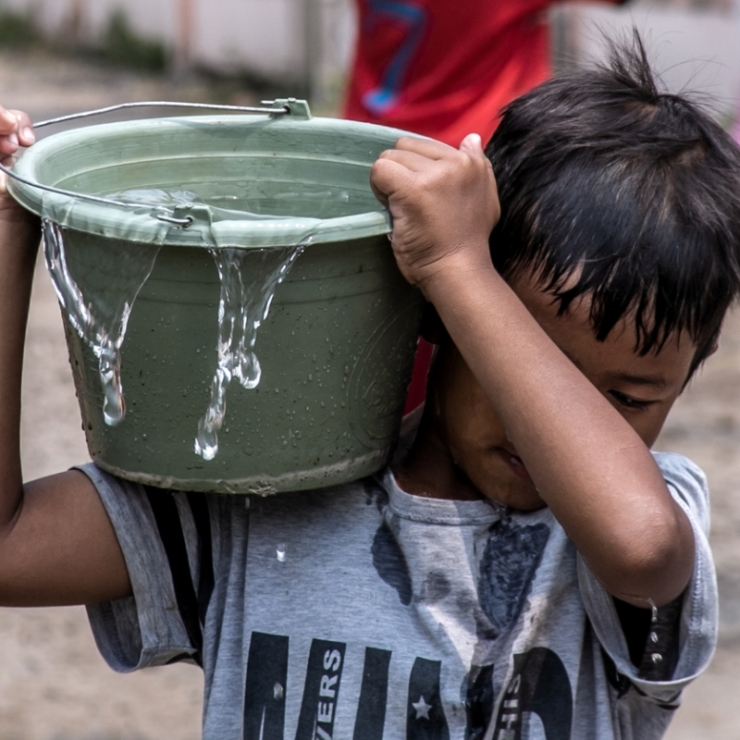
Almost 3 billion people around the world use low quality sanitation facilities, or no facilities at all. Stanford's WHD program affiliates research the effectiveness of different policy and planning strategies designed to expand access to water and sanitation services worldwide.

Sustainability

A persistent challenge in the WASH sector is designing interventions--infrastructure investments, information campaigns, institutional innovations--whose benefits are sustained over the long term. WHD program affiliates explore different ways of operationalizing sustainability.

WASH/Health

The links between water, sanitation, hygiene and health are intuitively obvious yet persistently challenging to document in a scientifically rigorous way. We work in the area of modeling health outcomes as a function of various water- and sanitation-related, socioeconomic and demographic factors.

Development

Water supply and sanitation are linked to well-being not only through health, but through their impact on livelihoods and poverty. The WHD program researches the impacts of productive use and decentralized services of domestic water supplies and household waste.

Featured Event

May 17th, 2013: The Bay area WASH symposium will be hosted by the Stanford Water, Health & Development Program with support from the Woods Institute for the Environment. Additional information will be forthcoming.

Latest News

Stanford researchers working on low-cost technology to provide safe drinking water to millions received prestigious federal recognition recently. Read more.

Featured Publication

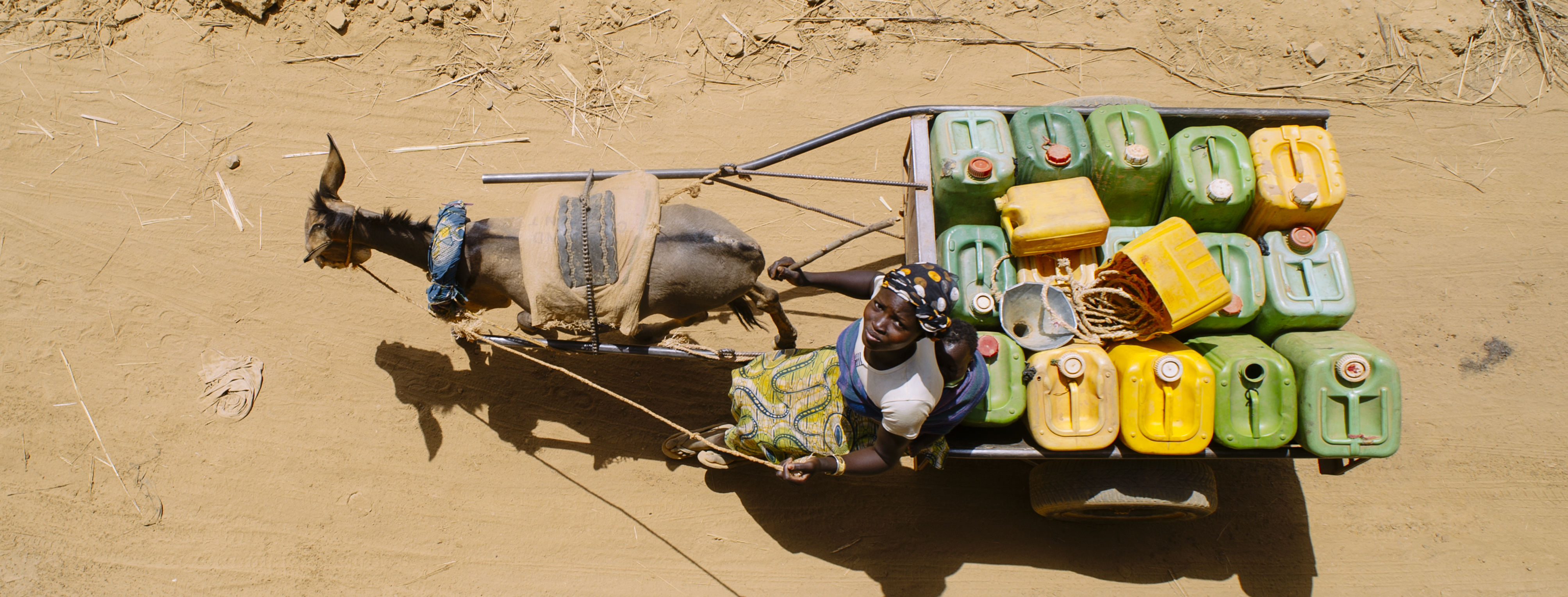
Freshwater Availability and Water Fetching Distance Affect Child Health in Sub-Saharan Africa: Environmental Science & Technology.